
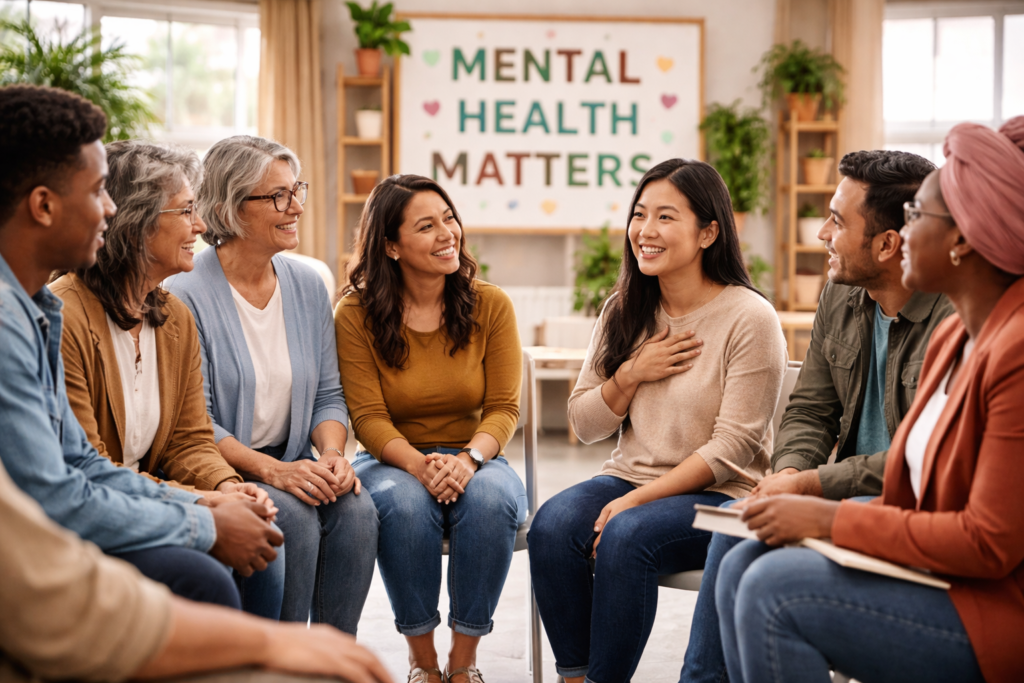
In today’s fast-paced and often overwhelming world, mental health has become one of the most important conversations within our communities. Yet, despite growing awareness, many individuals still struggle in silence—afraid of judgment, misunderstanding, or stigma.
Creating safe spaces within the community is not just a supportive initiative—it is a necessity. These spaces allow individuals to feel seen, heard, and valued, helping them navigate life’s challenges with dignity and support.
What Is a Safe Space?
A safe space is an environment where individuals can openly express their thoughts, emotions, and experiences without fear of discrimination, criticism, or rejection.
In a community setting, this means:
- Encouraging open and respectful conversations
- Promoting inclusivity regardless of background
- Ensuring confidentiality and trust
- Providing emotional and social support
Safe spaces can exist in many forms—community centers, support groups, cultural organizations, or even informal gatherings.
Why Mental Health Support in Communities Matters
Mental health is not just an individual concern—it is a collective responsibility. When communities actively support mental well-being, everyone benefits.
Key impacts include:
- Reduced stigma: Open discussions normalize mental health challenges
- Stronger relationships: People feel more connected and understood
- Early support: Individuals are more likely to seek help sooner
- Healthier communities: Emotional well-being leads to social stability
When people feel supported, they are more empowered to contribute positively to their environment.
Barriers to Mental Health Conversations
Despite progress, several barriers still prevent individuals from opening up:
- Cultural stigma: In many cultures, mental health is rarely discussed
- Fear of judgment: People worry about being misunderstood
- Lack of awareness: Not everyone recognizes the signs of mental stress
- Limited access to resources: Some communities lack proper support systems
Addressing these barriers is the first step toward building a truly inclusive and supportive environment.
How to Create Safe Spaces in Your Community
Creating a safe space doesn’t require large funding or complex systems—it starts with intentional actions.
1. Promote Open Dialogue
Encourage conversations about mental health through community events, workshops, or informal discussions. Normalize sharing experiences.
2. Educate and Raise Awareness
Provide access to information about mental health, coping strategies, and available resources. Knowledge reduces fear and misunderstanding.
3. Foster Inclusivity
Ensure that everyone—regardless of age, gender, culture, or background—feels welcome and respected.
4. Train Community Leaders
Equip volunteers, organizers, and leaders with basic mental health awareness and communication skills.
5. Partner with Professionals
Collaborate with counselors, therapists, or organizations to provide guidance and support when needed.
The Role of Cultural Values in Mental Health Support
In many communities, cultural values play a powerful role in shaping how support is given and received.
For example, in Filipino culture:
- Bayanihan (community cooperation) encourages helping one another
- Malasakit (genuine care) promotes empathy and compassion
- Pakikipagkapwa (shared identity) fosters deeper understanding
By integrating these values into mental health initiatives, communities can create support systems that feel natural, respectful, and effective.
Small Actions That Make a Big Difference
You don’t need to lead a large organization to make an impact. Simple actions can help build a safer community:
- Checking in on a friend or neighbor
- Listening without interrupting or judging
- Encouraging someone to seek help
- Sharing helpful resources
- Creating welcoming environments in everyday interactions
These small efforts can create ripple effects that strengthen the entire community.
Moving Forward Together
Creating safe spaces for mental health is not a one-time effort—it is an ongoing commitment. It requires compassion, awareness, and collective action.
When communities prioritize mental well-being, they become places where people don’t just live—but truly belong.
By fostering understanding and support, we can build communities where no one feels alone, and everyone has the opportunity to thrive.
Final Thought
Mental health matters—and it matters most when we care for one another.
A stronger community begins with a simple idea:
everyone deserves a safe space to be heard, supported, and valued.